Introduction
Bali has become a global hotspot for vibrant plant‑based nutrition, attracting travelers, athletes, and wellness enthusiasts who want to fuel their bodies with colorful, nutrient‑dense foods while enjoying the island’s stunning scenery.
Why Plant‑Based Nutrition Thrives in Bali
The island’s rich tropical biodiversity supplies an abundance of fresh fruits, vegetables, legumes, nuts, and seeds. Local markets overflow with exotic produce like jackfruit, dragon fruit, and purple sweet potatoes, making it easy to create balanced, antioxidant‑rich meals.
Core Principles of a Vibrant Plant‑Based Eating Guide
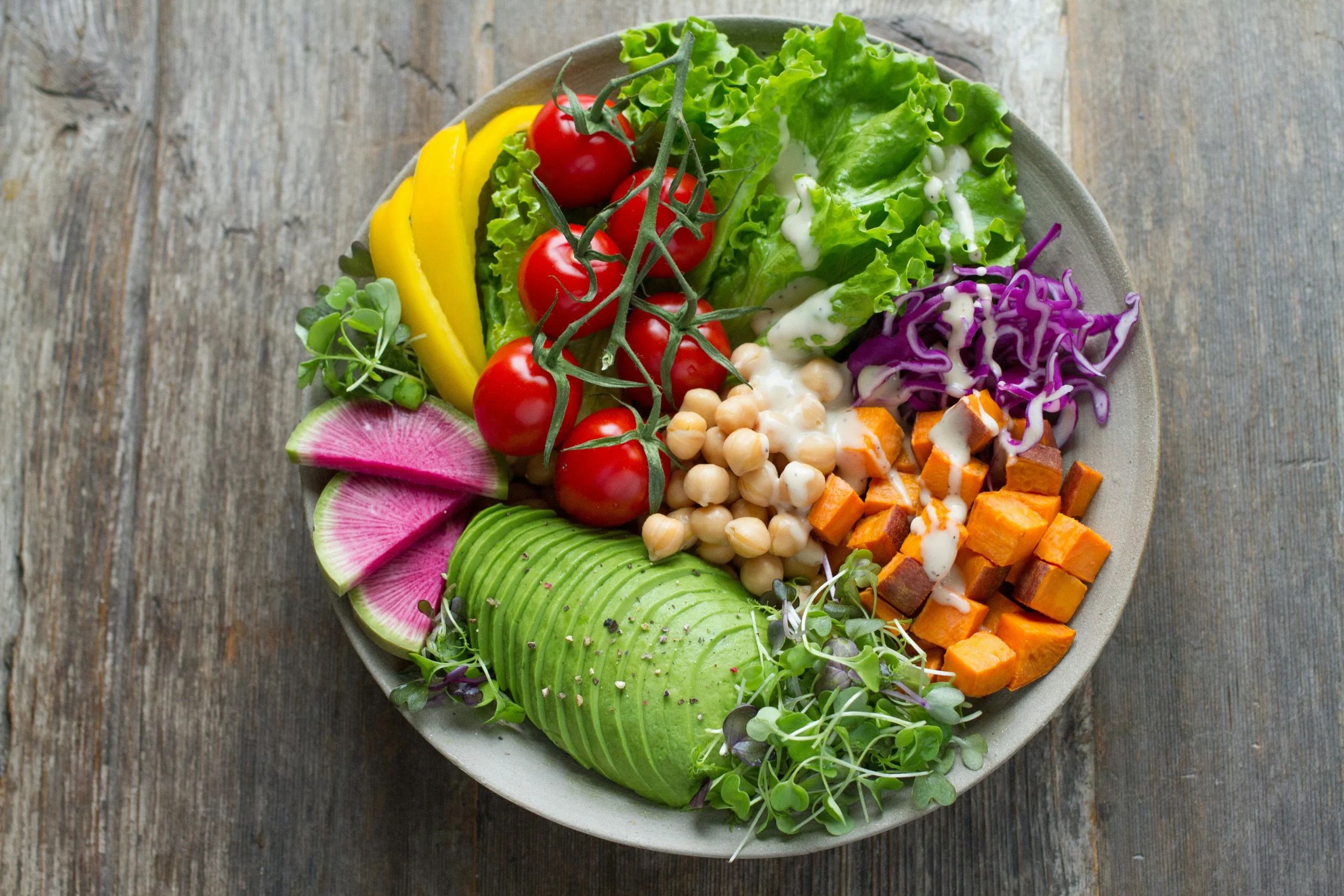
- Color variety: Aim for at least five different colors on your plate each day to ensure a broad spectrum of phytonutrients.
- Whole foods focus: Prioritize minimally processed ingredients and avoid refined sugars and excess oil.
- Protein adequacy: Include legumes, tofu, tempeh, and nuts to meet daily protein needs (≈0.8‑1.0 g per kg body weight).
- Healthy fats: Add sources such as avocado, coconut oil, and chia seeds for omega‑3 and satiety.
- Hydration and spices: Drink plenty of water and use turmeric, ginger, and lemongrass for anti‑inflammatory benefits.
Top Plant‑Based Foods to Explore in Bali
- Fresh tropical fruits – mango, papaya, banana, and passion fruit.
- Leafy greens – Balinese kale, spinach, and watercress.
- Legumes – mung beans, chickpeas, and black soybeans.
- Fermented foods – tempeh, miso, and local coconut yogurt.
- Superfood powders – spirulina and moringa, often blended into smoothies.
Sample One‑Day Meal Plan
- Breakfast: Acai bowl topped with sliced banana, dragon fruit, shredded coconut, and a drizzle of local honey.
- Mid‑morning snack: Handful of roasted cashews and a piece of ripe mango.
- Lunch: Nasi campur with steamed rice, tempeh satay, mixed vegetables, and a side of fresh cucumber salad.
- Afternoon snack: Green smoothie made from spinach, banana, spirulina powder, and coconut water.
- Dinner: Coconut‑curry tofu with jasmine rice, sautéed bok choy, and papaya salsa.
Practical Tips for Travelers
- Visit traditional markets early to select the freshest produce.
- Ask vendors for “vegan” or “plant‑based” options; many local dishes can be adapted by omitting animal products.
- Carry a reusable water bottle and a small snack pack (nuts, dried fruit) for long excursions.
- Use apps like “HappyCow” to locate vegan‑friendly cafés and restaurants across the island.
Key Nutrients for Vibrant Health
Understanding the essential nutrients helps you design meals that support immunity, energy, and recovery while traveling.
- Vitamin C – abundant in citrus fruits and tropical berries, boosts immunity and collagen synthesis.
- Vitamin K – found in leafy greens, supports bone health and blood clotting.
- Iron – plant sources like lentils and pumpkin seeds provide non‑heme iron; pair with vitamin C for better absorption.
- Calcium – fortified plant milks, tofu, and leafy vegetables supply bone‑supporting minerals.
- Omega‑3 fatty acids – sourced from chia seeds, walnuts, and algae oil, promote heart and brain health.
Conclusion
Embracing vibrant plant‑based nutrition in Bali not only fuels your body with essential nutrients but also aligns with the island’s sustainable, eco‑conscious lifestyle. By focusing on color, whole foods, and balanced macronutrients, you can enjoy delicious, energizing meals that support health, performance, and the preservation of Bali’s natural beauty.