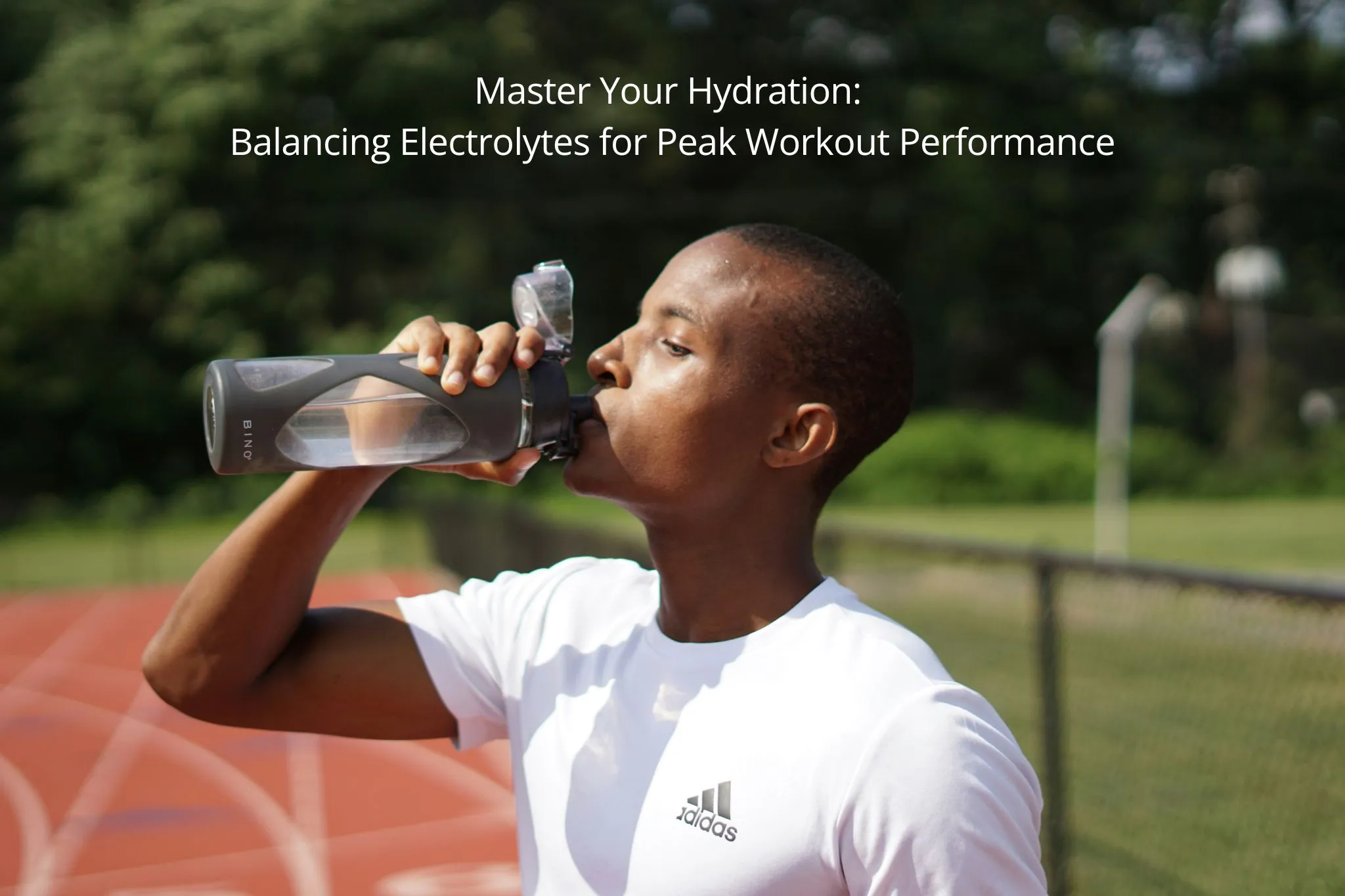
Sustainable Hydration: The Key to Electrolyte Balance During Workouts
Proper hydration isn’t just about drinking water—it’s about maintaining the delicate balance of electrolytes in your body. During intense workouts, your body loses critical minerals like sodium, potassium, and magnesium through sweat. Without replenishing these nutrients, even well-hydrated athletes can experience fatigue, cramping, and decreased performance. Understanding how to sustain optimal electrolyte levels is essential for anyone looking to train smarter and stay consistent over the long term.
Why Electrolytes Matter
Electrolytes are charged minerals that regulate nerve signals, muscle contractions, and fluid balance within cells. When you exercise, especially in hot conditions or for extended periods, your body flushes out these vital compounds. Sweating causes sodium loss, which can lead to dehydration, headaches, and dizziness. Potassium helps prevent muscle cramps and supports heart function, while magnesium plays a role in energy production and muscle relaxation.
If left unbalanced, electrolyte deficiencies can quickly derail your fitness goals. Athletes may feel unusually tired, experience irregular heartbeat rhythms, or notice persistent muscle spasms. Over time, poor electrolyte management can reduce endurance capacity and slow recovery between sessions.
Signs of Electrolyte Imbalance
- Fatigue or weakness despite adequate rest
- Muscle cramps or twitching
- Headaches or dizziness during exercise
- Numbness or tingling in extremities
- Irregular heartbeat or palpitations
Practical Tips for Maintaining Balance
Maintaining healthy electrolyte levels doesn’t require complicated supplements or expensive drinks. Start by choosing natural sources like coconut water, which provides potassium and magnesium. Add a pinch of sea salt to water during longer workouts to replace sodium losses. Eating foods rich in magnesium—such as almonds, spinach, and dark chocolate—can also support overall balance.
For moderate exercise sessions under an hour, plain water usually suffices. However, for endurance activities exceeding 60 minutes, consider sports drinks or homemade alternatives containing real fruit juices and minimal added sugars. Always listen to your body—thirst is a reliable indicator for most recreational athletes.
Long-Term Sustainability Strategies
Building sustainable hydration habits means making small changes that stick. Keep a reusable bottle filled with electrolyte-enhanced water at your desk or gym bag. Pre-plan meals and snacks that naturally boost key minerals. If you’re training intensely several times per week, consult a nutritionist to personalize your approach based on sweat rate and dietary needs.
Conclusion
Balanced hydration is foundational to athletic success and long-term health. By understanding your body’s electrolyte requirements and implementing simple daily practices, you’ll unlock greater energy, better performance, and improved recovery. Remember: sustainable fitness starts with fueling your body correctly—one balanced sip at a time.